excellent site http://www.cancermonthly.com/
Patients diagnosed with cancer are often prescribed drugs they know little about, and researching the risks and benefits can be daunting, if not impossible, in the time frame a cancer patient has to work with
Tuesday, January 04, 2005
Saturday, November 27, 2004
Wednesday, November 24, 2004
McDonald's CEO quits to battle COLORECTAL cancer
McDonald's CEO quits to battle COLORECTAL cancer
Bell, 44, underwent surgery for bowel cancer two weeks after being named for the joint role of president and chief executive on April 19.
He had been diagnosed with the disease shortly after taking over from Jim Cantalupo, who died suddenly of a heart attack in April. Andrew McKenna, McDonald's chairman, said yesterday Mr Bell had decided to step down with immediate effect "to devote all of his time and energy to his courageous battle against cancer".
Bell, 44, underwent surgery for bowel cancer two weeks after being named for the joint role of president and chief executive on April 19.
He had been diagnosed with the disease shortly after taking over from Jim Cantalupo, who died suddenly of a heart attack in April. Andrew McKenna, McDonald's chairman, said yesterday Mr Bell had decided to step down with immediate effect "to devote all of his time and energy to his courageous battle against cancer".
Saturday, November 20, 2004
creative comic strip format to deal with cancer
Very creative comic strip format to deal with his mom's cancer
My mother was diagnosed with incurable lung cancer.
http://www.momscancer.com/
Mom's Cancer" tells the story of my mother's battle with metastatic lung cancer. It's not a "how-to" manual about treating the disease. If I've learned anything, it is that every cancer, patient, physician, and outcome is unique. Rather, "Mom's Cancer" focuses on how a serious illness can affect patient and family, both practically and emotionally, in ways that I've discovered are very common. Many readers have written to tell me how surprised and gratified they were to learn they weren't alone.
My mother was diagnosed with incurable lung cancer.
http://www.momscancer.com/
Mom's Cancer" tells the story of my mother's battle with metastatic lung cancer. It's not a "how-to" manual about treating the disease. If I've learned anything, it is that every cancer, patient, physician, and outcome is unique. Rather, "Mom's Cancer" focuses on how a serious illness can affect patient and family, both practically and emotionally, in ways that I've discovered are very common. Many readers have written to tell me how surprised and gratified they were to learn they weren't alone.
Sunday, August 15, 2004
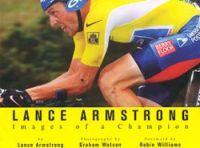
Lance, the greatest athlete of all time.
Armstrong the best ever
AFTER CANCER, CYCLIST WOULDN'T DREAM OF USING STEROIDS,
ANYONE WHO believes that Lance Armstrong, the record-breaking six-time winner of the 3,685-km Tour de France bicycle race, is on performance-enhancing drugs like steroids, should read his autobiography. Although many (especially in France) are adamant that no one could do what he has done without the benefit of illicit medication, the more you learn about Armstrong's story, the less credible the allegations.
The world knows his greatest triumph was not winning the Tour de France, but conquering cancer. Just how great a triumph is fuzzy -- until you read his book It's Not About the Bike, written in 2000 with the help of a sensitive and perceptive sportswriter, Sally Jenkins.
At the time Armstrong had just won his first Tour de France (a chapter was added the following year after his second Tour de France win, when the French media were in full-throat drugs-innuendo against Armstrong.
Every year scandals erupt about cyclists caught using steroids. But not Armstrong.
His account of coming down with testicular cancer at age 25 that had spread to his lungs and brain is harrowing and persuasive.
He was given a 40% chance of surviving -- not a 40% chance of competing in bicycle races again, but merely surviving. Repeated chemotherapy devastated his body, killing live cells as well as cancerous ones, making him so sick that he could barely function. Even during chemotherapy, after surgery, Armstrong cycled 30 to 50 miles a day.
$2.5M CONTRACT
When cancer was discovered, he had a $2.5-million contract with the Cofidis cycling team, but had never distinguished himself in a Tour de France race. He was all potential -- enormously strong, with incredible endurance. His was an aggressive personality that overshadowed any tactical sense of not "attacking" whenever a cyclist sprinted or challenged him.
Armstrong recalls that as a teenager he was tested at the Cooper Clinic in Dallas, "birthplace of the aerobic exercise revolution," and his lung capacity and efficient use of oxygen has never been matched.
Also, he apparently produced less lactic acid than normal -- the chemical the body produces when a person is winded or fatigued. Lactic acid is "what makes your lungs burn and your body ache."
Until he was 25, when the testicular cancer hit, Armstrong was a bit of a wild man -- partying and training hard, a great competitor, but not quite world class.
Surviving cancer, he became a diet fanatic. Previous junk food consumption ceased, he was determined never to ingest food (or drugs) that might affect his hormones or chemical balance.
Always there is a concern that cancer might return, and Armstrong understandably is unwilling to put anything into his body that might risk a return of cancer.
With this attitude, it verges on the inconceivable that he would risk steroids. More than winning races, Armstrong is determined to survive.
As well as his superior mental and physical condition, Armstrong was and is blessed with a loyal support team -- starting with his mother, with whom he has a strong bond, and an agent who is more friend than business colleague, and a network of medical specialists and friends who want to be at his side when either adversity or victory beckon.
He must have some personality to engender such loyalty. Certainly, his book is a candid, honest and immensely moving testament that is inspiring for any who believe life should be lived at its fullest.
Prior to cancer, Armstrong excelled at sprinting. His endurance was always spectacular, but he was weakest on the hill climbs. After cancer, he "attacked" hills, and today is arguably the greatest cyclist when it comes to mountains.
His accounts of his first Tour de France win is gripping. Even non-cyclists feel the suspense, drama, fatigue. Terrifically tactical, the Tour de France was intended to be the world's toughest sporting event -- and is.
GREATEST ATHLETE
Arguably, Lance Armstrong is not only the greatest living athlete, but may well be the greatest athlete of all time.
According to my source of sport wisdom, George Gross, others who have dominated their sport as Armstrong dominates his include Sonja Henie, who won 10 world figure skating championships in a row, and Edwin Moses, the great Jamaican middle distance runner who for 20 years has not lost a race.
But they didn't have to conquer cancer first.
AFTER CANCER, CYCLIST WOULDN'T DREAM OF USING STEROIDS,
ANYONE WHO believes that Lance Armstrong, the record-breaking six-time winner of the 3,685-km Tour de France bicycle race, is on performance-enhancing drugs like steroids, should read his autobiography. Although many (especially in France) are adamant that no one could do what he has done without the benefit of illicit medication, the more you learn about Armstrong's story, the less credible the allegations.
The world knows his greatest triumph was not winning the Tour de France, but conquering cancer. Just how great a triumph is fuzzy -- until you read his book It's Not About the Bike, written in 2000 with the help of a sensitive and perceptive sportswriter, Sally Jenkins.
At the time Armstrong had just won his first Tour de France (a chapter was added the following year after his second Tour de France win, when the French media were in full-throat drugs-innuendo against Armstrong.
Every year scandals erupt about cyclists caught using steroids. But not Armstrong.
His account of coming down with testicular cancer at age 25 that had spread to his lungs and brain is harrowing and persuasive.
He was given a 40% chance of surviving -- not a 40% chance of competing in bicycle races again, but merely surviving. Repeated chemotherapy devastated his body, killing live cells as well as cancerous ones, making him so sick that he could barely function. Even during chemotherapy, after surgery, Armstrong cycled 30 to 50 miles a day.
$2.5M CONTRACT
When cancer was discovered, he had a $2.5-million contract with the Cofidis cycling team, but had never distinguished himself in a Tour de France race. He was all potential -- enormously strong, with incredible endurance. His was an aggressive personality that overshadowed any tactical sense of not "attacking" whenever a cyclist sprinted or challenged him.
Armstrong recalls that as a teenager he was tested at the Cooper Clinic in Dallas, "birthplace of the aerobic exercise revolution," and his lung capacity and efficient use of oxygen has never been matched.
Also, he apparently produced less lactic acid than normal -- the chemical the body produces when a person is winded or fatigued. Lactic acid is "what makes your lungs burn and your body ache."
Until he was 25, when the testicular cancer hit, Armstrong was a bit of a wild man -- partying and training hard, a great competitor, but not quite world class.
Surviving cancer, he became a diet fanatic. Previous junk food consumption ceased, he was determined never to ingest food (or drugs) that might affect his hormones or chemical balance.
Always there is a concern that cancer might return, and Armstrong understandably is unwilling to put anything into his body that might risk a return of cancer.
With this attitude, it verges on the inconceivable that he would risk steroids. More than winning races, Armstrong is determined to survive.
As well as his superior mental and physical condition, Armstrong was and is blessed with a loyal support team -- starting with his mother, with whom he has a strong bond, and an agent who is more friend than business colleague, and a network of medical specialists and friends who want to be at his side when either adversity or victory beckon.
He must have some personality to engender such loyalty. Certainly, his book is a candid, honest and immensely moving testament that is inspiring for any who believe life should be lived at its fullest.
Prior to cancer, Armstrong excelled at sprinting. His endurance was always spectacular, but he was weakest on the hill climbs. After cancer, he "attacked" hills, and today is arguably the greatest cyclist when it comes to mountains.
His accounts of his first Tour de France win is gripping. Even non-cyclists feel the suspense, drama, fatigue. Terrifically tactical, the Tour de France was intended to be the world's toughest sporting event -- and is.
GREATEST ATHLETE
Arguably, Lance Armstrong is not only the greatest living athlete, but may well be the greatest athlete of all time.
According to my source of sport wisdom, George Gross, others who have dominated their sport as Armstrong dominates his include Sonja Henie, who won 10 world figure skating championships in a row, and Edwin Moses, the great Jamaican middle distance runner who for 20 years has not lost a race.
But they didn't have to conquer cancer first.
Sunday, July 25, 2004
Lance ,our hero!
Lance Armstrong rode into history Sunday by winning the Tour de France for a record sixth time, an achievement that confirmed him as one of the greatest sportsmen of all time. His sixth crown in six dominant years elevated Armstrong above four champions who won five times.
And never in its 101-year-old history has the Tour had a winner like Armstrong - a Texan who just eight years ago was given less than a 50 percent chance of overcoming testicular cancer that spread to his lungs and brain.
Armstrong's unbeaten streak since 1999 has helped reinvigorate the greatest race in cycling, steering it into the 21st century. And the Tour, as much a part of French summers as languid meals over chilled rose, molded Armstrong into a sporting superstar.